Is Your Baby Getting
Enough Human Milk?
- Home
- Breastfeeding
- Learning to Breastfeed
- Is My Baby Getting Enough Milk?

Some parents aren’t sure how to tell if their baby is getting enough human milk.
Tracking your baby’s weight and growth is the best way to ensure your baby is getting enough human milk. If your baby is gaining weight and growing, they are most likely getting enough human milk.
In the first few weeks, your baby will have several checkups with their health care provider to keep track of their growth and weight gain.

It is normal for your baby to lose a small amount of weight in the first days of life. If your baby seems calm and happy after feedings, and is gaining weight, you’re doing great!
Your baby is probably getting enough human milk if:

Talk with your baby’s health care provider if you are concerned your baby is not getting enough human milk or gaining enough weight.
*Only count poops which are larger than a quarter.
Baby’s Age |
Minimum # of Wet Diapers in 24 Hours |
Color |
Minimum # of Poopy Diapers in 24 Hours* |
Texture & Color of Poop |
|---|---|---|---|---|
1 Day |
|
Pale Yellow |
|
Sticky | Tarry | Black |
2 Days |
|
Pale Yellow |
|
Tarry | Green/Black | Changing |
3 Days |
|
Pale Yellow |
|
Looser | Greenish to Yellow |
4 Days |
|
Pale Yellow |
|
Soft/Liquid | Seedy | Yellow |
5+ Days |
|
Pale Yellow |
|
Loose | Seedy | Yellow |
6 Weeks |
|
Pale Yellow |
|
Soft | Seedy | Yellow |
The poop of a baby fed human milk will look different than a formula fed baby or an adult’s. It is normal for a baby to strain before and during pooping.
Contact your WIC clinic, lactation consultant, or your health care provider if you have concerns about your baby’s poopy or wet diapers.
Remember, this is a new skill for your baby – they only started pooping after they were born.
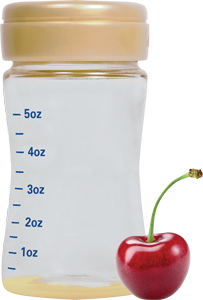
Size of a cherry
0.04-2 teaspoons
Size of a walnut
0.2-0.5 ounces

Size of an apricot
0.5-1 ounces

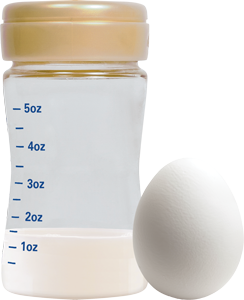
Size of a large egg
1-2 ounces
Size of a small apple
3-5 ounces
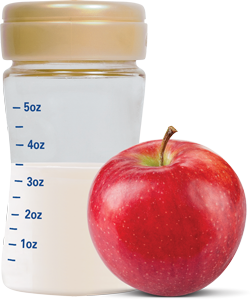
A newborn’s tummy is very small – this is why they eat 8-12 times in 24 hours. By feeding on demand, this allows your body to respond to your baby’s changing needs to create more or less milk.
As your baby grows, the composition of your milk will change to meet your baby’s needs. If your baby needs more fat or protein, your body will respond to make the perfect food. Your body will also produce as much human milk as your baby needs.
Your body is amazing! Your milk, baby, and body will go through many changes during the first few weeks after delivery. Your baby is growing quickly and your milk will change as your baby’s needs change.
The more often you remove milk from your breasts or chest, the more milk your body will make.
Colostrum or “First Milk”
Birth to 5 Days Old
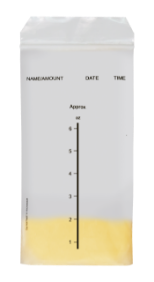
Milk – Thick, yellow colored milk you may or may not be able to see when feeding your baby. This milk has lots of nutrients and antibodies to protect your baby.
Baby – Newborns will need to eat every 2-3 hours. Your baby is learning how to feed. They will learn how to suck, breathe, and swallow in a pattern.
Parents – Your breasts or chest may feel full and leak colostrum. The flow of colostrum is slow so your baby can learn how to swallow and feed.

Milk – Yellow and creamy looking, thinner than colostrum. Contains all the nutrients your baby needs during this stage of development.
Baby – Your baby will need to be fed often, 8-12 times in 24 hours. Their sucking pace will be long and slow as they continue to learn how to feed.
Parents – Your breasts or chest will become fuller, warmer, and may begin to leak milk. Your body is unsure how much milk to make for your baby, so you may produce more milk than is needed. Be sure to remove your milk often by putting your baby to your breast or chest or use a pump to keep up your milk supply.
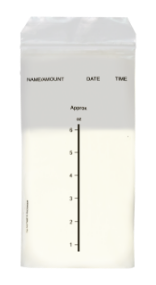
Milk – Thinner, more watery, similar consistency to fluid milk. May be white, light yellow, or blue-tinted.
Baby – Your baby may have a growth spurt when your mature milk comes in. They may want to feed more often, sometimes every hour. This is called “cluster feeding” and is normal.
Parents – Your breasts or chest may appear softer and smaller than before, however, the size will likely still be larger than before your pregnancy.

Feeding your baby from the breast or chest can be challenging, and sometimes parents may need help to increase their milk supply to meet their baby’s needs. Listed below are some common issues which may affect your milk supply.
As long as your baby is happy, healthy, and growing you should not be worried about your milk supply. Talk with your baby’s health care provider, WIC staff, or your lactation consultant if you have questions or concerns about your baby’s milk intake or health.
Install this web app on your iPhone: tap  and then Add to Home Screen.